
Water Conservation
Water is essential for households, agriculture, sanitation, manufacturing, hospitality and public services. Across India, the availability of water varies by region and season, while demand can place pressure on local supplies and groundwater. Water conservation is therefore not just an individual habit; it is a practical management priority for homes, housing societies, offices, factories, schools and cities. Effective conservation usually combines measurement, leak prevention, efficient fixtures, responsible reuse and suitable rainwater management. The best plan is one that reflects local conditions, can be maintained over time and does not compromise health or hygiene.
Begin with a water-use audit
A water audit helps establish where water is consumed and where avoidable losses may occur. Begin by recording meter readings at regular intervals and comparing them with occupancy, production or seasonal changes. Inspect taps, toilets, pipes, pumps, storage tanks and irrigation systems for leaks or overflows. In commercial properties, separate readings for major areas can help identify unusually high use in washrooms, kitchens, cooling systems and landscaping. A simple spreadsheet is often enough to reveal patterns. Set a realistic baseline before introducing changes, then compare later readings to determine whether the measures are working.
Repair leaks and prevent overflow
A dripping tap may seem minor, but multiple leaks across a property can waste a meaningful volume of water. Repair damaged fittings promptly and inspect float valves, tank sensors, pump controls and overflow pipes. Establish a process for staff or residents to report problems, and record when repairs are completed. Preventive checks are especially useful in large buildings where a leak may go unnoticed in a plant room or service shaft. Make sure repairs are completed by competent personnel and that stored water systems remain clean and safe.
Choose water-efficient fixtures
Water-efficient taps, showers, dual-flush toilets and other fixtures can reduce consumption when selected and installed correctly. Suitability matters: a product should match water pressure, building use, maintenance capacity and user requirements. In high-traffic washrooms, managers may also assess waterless urinal technology where appropriate, taking account of installation guidance, cleaning procedures and ongoing maintenance. A fixture upgrade should be accompanied by clear instructions for cleaners and users. Monitor water use after installation to confirm the expected benefit rather than relying only on product claims.
Use rainwater harvesting thoughtfully
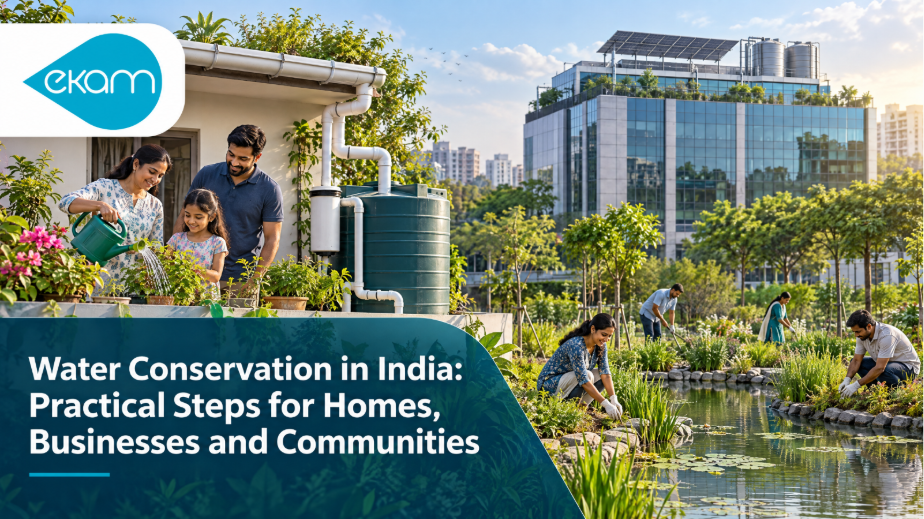
Rainwater harvesting can capture rainfall from rooftops or other suitable catchments for storage or groundwater recharge. Before installation, assess local rainfall patterns, roof area, catchment materials, storage needs, filtration, overflow and maintenance access. Keep gutters and screens clear, and provide a safe arrangement for first-flush diversion where appropriate. Recharge structures require attention to soil and groundwater conditions and local permissions. Stored rainwater should only be used for applications suitable to its quality. A system that is not cleaned and maintained can become ineffective, so assign clear responsibility for inspections.
Reuse treated water safely
Treated wastewater may be suitable for selected non-potable uses such as landscaping, toilet flushing or certain cleaning tasks, depending on treatment quality and applicable standards. Any reuse plan should identify the intended application, required water quality, monitoring frequency and response procedures if results fall outside limits. Non-potable pipes and outlets should be clearly labelled and physically separated from drinking-water systems to avoid cross-connections. Never assume that treated water is safe for every purpose simply because it looks clear. Design, testing and operation should be managed by qualified professionals.
Make conservation part of daily operations
Technology works best when people understand how to use it. Housing societies can share monthly consumption reports, encourage prompt leak reporting and include water checks in maintenance routines. Businesses can train facility teams, include efficiency criteria in purchasing decisions and assign responsibility for monitoring. Schools can use practical demonstrations to explain why water matters. Targets should be specific and realistic—for example, reducing avoidable leaks or tracking usage per occupant—rather than broad promises that cannot be measured.
Set priorities that fit the property
Not every water-saving project needs to begin with a major capital investment. A small property might start by repairing leaks and checking tank controls, while a large commercial site may benefit from sub-metering and a detailed review of high-use processes. Rank actions by likely water savings, installation cost, disruption, maintenance needs and payback period. This helps owners choose improvements that are practical instead of purchasing equipment that may not suit the site. Where possible, request clear specifications and independent performance information before making a decision.
Plan for seasonal changes
Water demand and availability can change throughout the year. Landscaping may need more water in hot months, while monsoon rainfall may create opportunities for collection if the building has a suitable system. Review consumption across seasons rather than comparing only one month with another. Before the rainy season, clear roof drains and inspect storage or recharge structures. Before dry periods, check leaks, storage capacity and the condition of pumps. Seasonal planning helps facilities avoid preventable losses and make better use of available resources.
Conclusion
Water conservation is most effective when it becomes a continuous process: measure use, fix waste, choose suitable technology and check the results. Different buildings will need different combinations of solutions, and all measures should respect local conditions and hygiene requirements. For more ideas and an overview of responsible water practices, read Ekam Eco Solutions’ Water Conservation & Management in India.
About The Author